
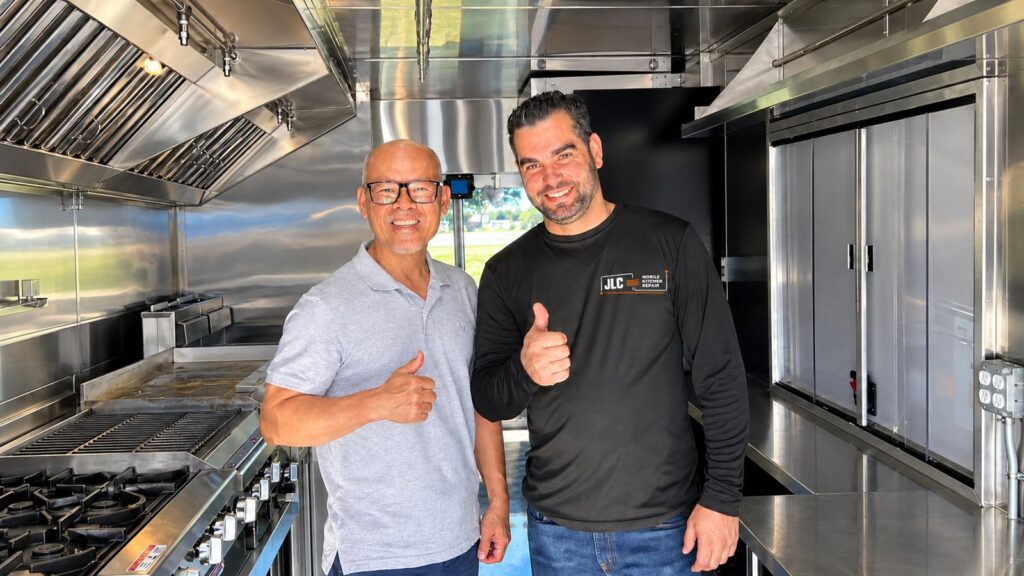
Planning a commercial kitchen hood installation starts with understanding your project—not just choosing a hood. Your cooking equipment, kitchen layout, existing setup, and location all help determine what needs to be reviewed before a contractor can define the scope and provide a quote.
Whether you’re opening a restaurant, building a food trailer, or replacing an existing hood, gathering a few details can make that first conversation more productive.
This guide explains what to prepare, what to ask, and which decisions should be confirmed through a professional assessment.
1. Describe Your Kitchen and Project
Start with a brief description of your business and the work you need.
Include:
- Kitchen type: restaurant, food truck, food trailer, or another commercial kitchen.
- Project location: city and state.
- Project stage: planning, construction, renovation, or an operating business. Don’t assume any provider works everywhere
- Scope: a new hood, a replacement, or changes to an existing setup.
For an existing kitchen, explain why you’re requesting the work. You may be adding cooking equipment, changing your layout, or experiencing a problem with the current system.
You don’t need to diagnose the issue yourself. A clear description gives the contractor a useful starting point.
2. Prepare Your Cooking Equipment List
The equipment beneath the hood is an important part of the project assessment. A list that simply says “commercial kitchen equipment” leaves too many questions unanswered.
For each appliance, gather whatever information you have:
- Equipment type, such as a griddle, fryer, range, or oven.
- Manufacturer and model.
- Gas or electric operation.
- Dimensions.
- Manufacturer specifications or product sheets.
If you haven’t purchased the equipment yet, share the models you’re considering and identify anything still undecided.
Mention future additions, too. If you expect to expand the cooking line, bring that up before the project scope is finalized. Your contractor can explain whether those plans affect the proposed setup.
3. Gather Available Measurements and a Layout
A simple sketch can help communicate how your kitchen is arranged.
Show the cooking equipment positions, nearby walls, doors, and the space where you expect the hood to be installed. Include available measurements and identify whether they are approximate or verified.
For an existing installation, share any drawings or documentation you already have. For a food truck or trailer, include the unit’s interior layout and dimensions when available.
These materials support the initial conversation. They do not replace a site assessment, professional measurements, or any drawings required for the project.
Avoid ordering a hood based only on the available wall space. Have the proposed dimensions and configuration reviewed alongside your equipment and installation conditions.
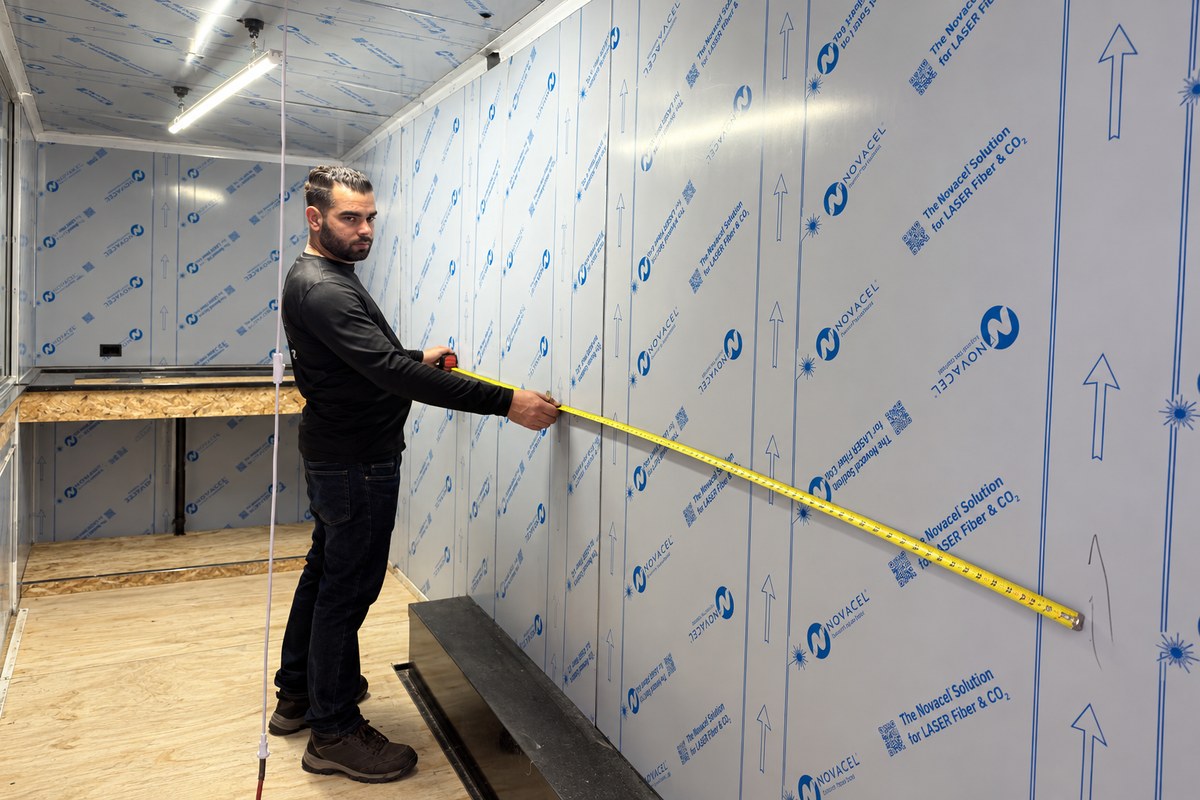
4. Take Photos That Show the Whole Setup
Useful photos help a contractor understand your project before discussing the next steps.
Start with:
- A wide view of the kitchen or trailer interior.
- The full cooking line.
- The intended hood location.
- The existing hood and visible connected components, if applicable.
- Accessible equipment labels showing manufacturer and model information.
Include both wide shots and close-ups. A close-up may identify an appliance, while a wider photo shows how it relates to the surrounding space.
Take photos only from safely accessible areas. There is no need to remove equipment panels, disconnect components, or climb onto a roof to prepare your inquiry.
5. Ask What the Installation Quote Includes
A hood fabrication quote and a complete installation proposal may cover different work. Before comparing prices, ask each provider to explain the scope clearly.
Questions worth asking include:
- Does the quote cover hood fabrication, installation, or both?
- Which components and materials are included?
- Does any existing equipment need further assessment?
- What is included, and what is excluded?
- How will ventilation and fire suppression needs be evaluated?
- Are electrical, gas, or other related trades included or handled separately?
- Who is responsible for any required plans, permits, and inspections?
- What is excluded, and what could change the price?
Responsibilities and requirements depend on the project and its location. Ask for those details in writing rather than assuming every proposal includes the same work.
You can explore JLC’s commercial kitchen services before discussing the scope of your hood project.
6. Share Your Timeline and Operating Constraints
Tell your contractor when you would like the project completed and why that date matters.
If your business is already operating, explain your working hours and any restrictions on access. If you’re preparing to open, share your current construction stage and any scheduled milestones.
Ask what must happen before work can begin and which factors could affect the schedule. Equipment availability, project changes, and required approvals may influence timing.
A preferred opening date is useful planning information, but the installation schedule should be confirmed after the scope has been reviewed.
Your Commercial Hood Installation Quote Checklist
Before contacting a contractor, gather:
- Business type and project location.
- A short description of the work.
- Cooking equipment list and available specifications.
- Layout and measurements, clearly marked if approximate.
- Photos of the space and existing setup.
- Available plans or project documents.
- Desired timeline and access restrictions.
- Questions about inclusions, exclusions, and responsibilities.
- Your name, phone number, and email.
Missing a few details? You can still start the conversation. Explain what you have and ask what information is needed next.
Discuss Your Hood Project With JLC
JLC provides commercial hood fabrication and installation services. Share your project details, equipment information, and available photos to discuss your needs and the next steps toward a personalized quote.
Whether you’re planning a new kitchen or updating an existing setup, a clearly defined scope helps you understand what you’re being quoted before moving forward.